

BROKEN BOW, Neb.— As wildfire crews begin to wrap up their work across Nebraska, one group stationed in Broken Bow is preparing to head out—marking the end of a unique chapter in response to a historic stretch of fires in the state.
This particular piece to the response, an initial attack group, has been at the ready to support anything that should come up in the area, alongside several other groups of their kind scattered across Nebraska. Their mission is to move fast and hit new fires early to keep them from becoming the next blaze affecting thousands of acres.
Brian De Los Santos, a division supervisor with the Rocky Mountain Incident Management Team 2, says that mission is all about speed and coordination.
“They gave us Broken Bow because it’s such a central location. We can kind of get anywhere from here as a staging area,” De Los Santos said. “The idea would be to keep the fires small so that they don’t become a Morrill Fire.”
That proactive approach came after weeks of relentless firefighting by local volunteer departments, many of which had been stretched thin by constant calls. Even as major fires reached containment, the threat wasn’t over—dry conditions and red flag warnings meant new fires could spark at any time.
So crews like the one in Broken Bow stayed ready.
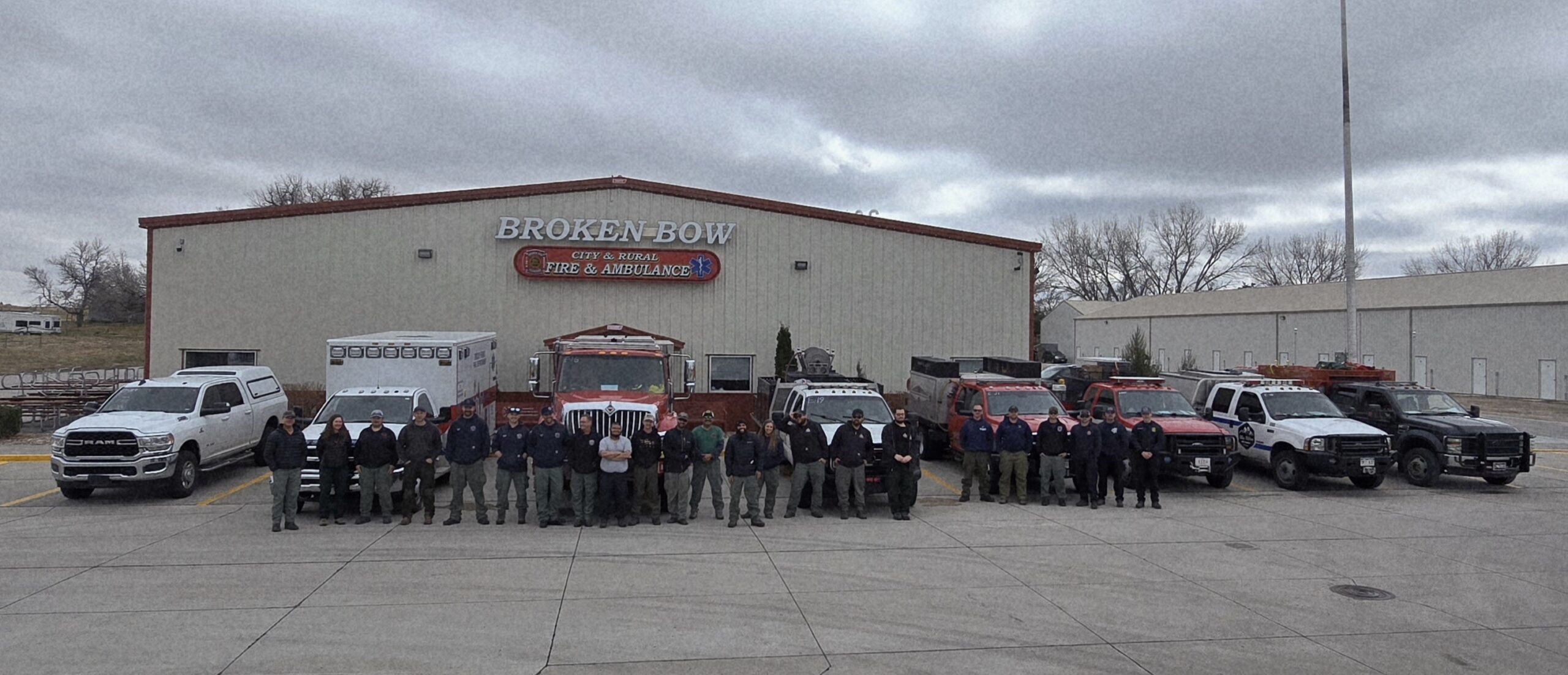
What makes these teams especially unique is who makes them up. They’re not a single department or even a single state—they’re a blend of firefighters and specialists from across the country, all coming together when needed.
“Everybody comes together on these teams from different agencies,” De Los Santos said. “We have engines from Missouri here, Montana, Utah, Colorado. People answer the call and respond.”
That mix includes full-time municipal firefighters, federal land managers, and contract crews who spend their off-seasons doing everything from forest thinning to prescribed burns. It’s a wide range of experience—but all of it translates to one goal when they’re deployed: stopping fires fast.
“Most of the engines on our group here are contract engines, and they do it for a living,” he said. “When there’s no fires burning, they work with state or federal agencies to help thin the forest or do prescribed burning. They’re skilled and know how to turn their hat around and become part of a firefighting fire suppression role.”
When fires do break out, the initial attack groups move at a quick pace, often working side-by-side with local departments they’ve never met before.
“My job would be to go drive right next to the fire chief who’s running the scene and find out what his plan is,” De Los Santos said. “We come up with a game plan together and then I get all my trucks engaged to do it safely and work alongside the other agencies.”
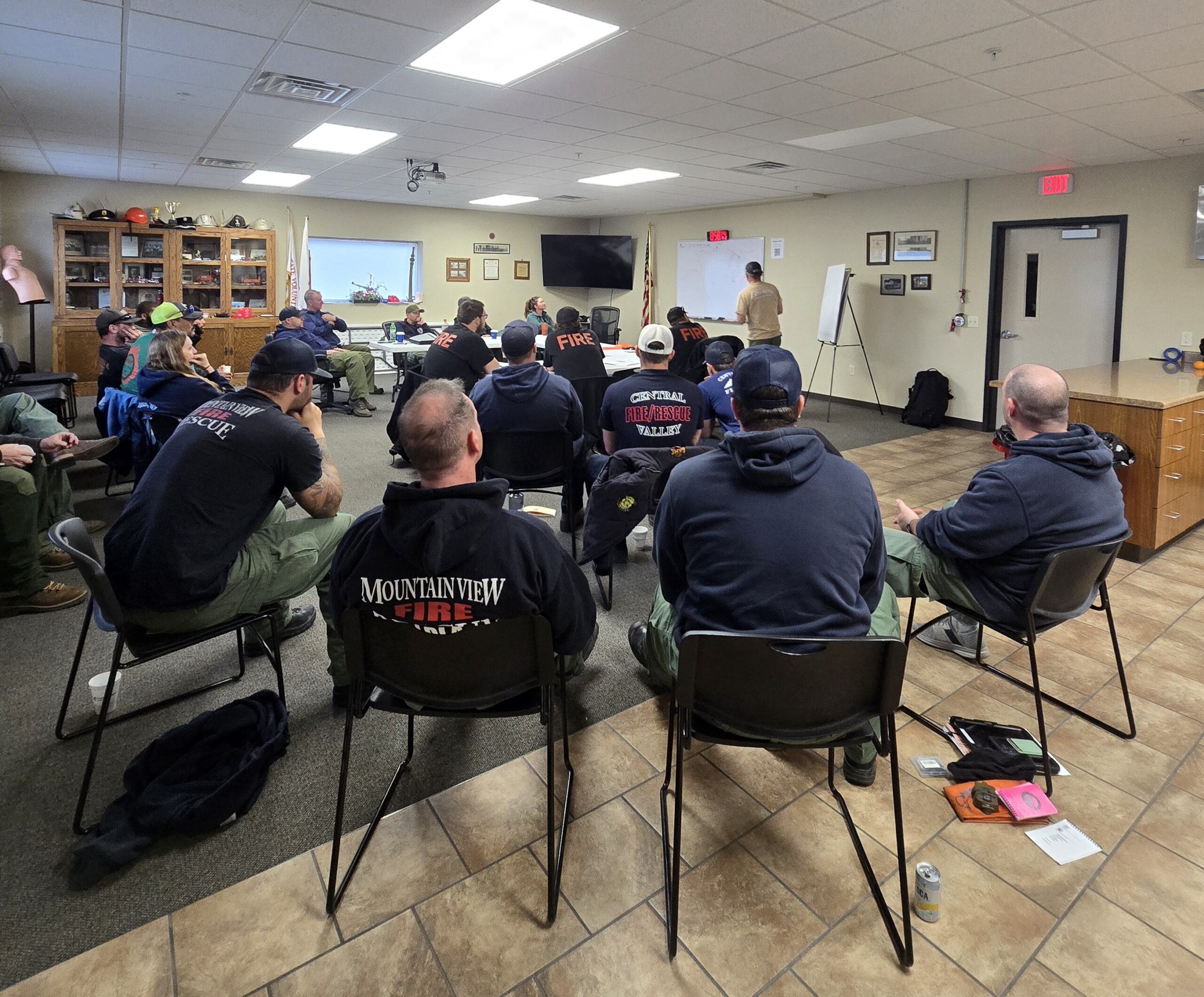
That coordination can be difficult, especially where conditions differ from the timber-heavy fires crews often see out west. But it’s also what makes the work critical.
Even now, with recent precipitation bringing some relief to parts of the state, fire officials caution that not all areas have seen meaningful moisture. Dry conditions can still return quickly, and the risk isn’t gone.
For De Los Santos and his team, the experience has also been about more than just firefighting. It’s also about the people they meet along the way. The group was preparing to spend an afternoon in the Broken Bow square at an easter egg hunt, just one example of an experience De Los Santos said he had no idea would be on his schedule this time last week.
“I just met 20 people that I’ve never worked with or known about, but now I have some really neat relationships with these guys,” he said. “Some lifelong relationships get made when you work hard next to people and share those long hours. It builds bonds a lot faster, and that’s part of why I do this.”