LINCOLN, Neb.— The Nebraska Department of Health and Human Services (DHHS) has just been notified by the Centers for Disease Control and Prevention (CDC) that 92 Nebraska cyclosporiasis cases have been linked to an ongoing multi-state outbreak. Nebraska currently has 218 confirmed cases. 191 cases were acquired in the United States. Not all of these cases are related to this outbreak.
The CDC, the U.S. Food and Drug Administration (FDA), and public health officials nationwide are investigating a potential link to iceberg lettuce. On July 17, Taylor Farms recalled certain iceberg lettuce products sourced from Central Mexico. The CDC advises consumers not to eat recalled iceberg lettuce from Taylor Farms de Mexico. Anyone who still has the recalled products should throw them away or return them to the place of purchase.
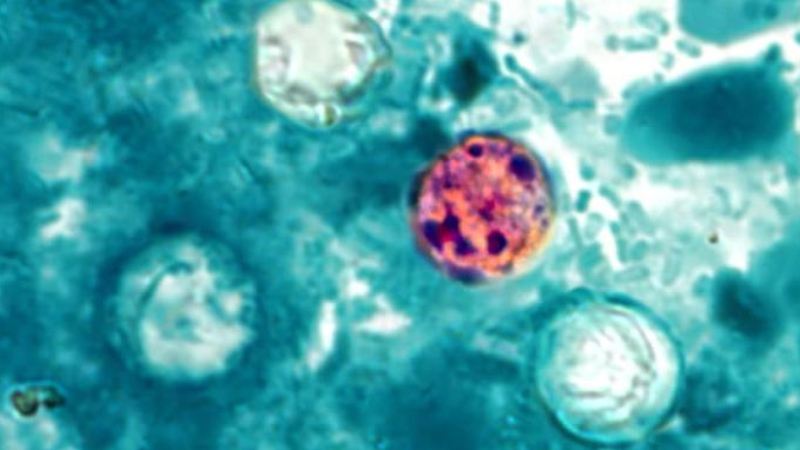
Cyclosporiasis is an intestinal illness caused by the Cyclospora parasite, which is typically spread through contaminated food or water, most commonly fresh fruits and vegetables. Previous outbreaks have been linked to bagged salad mixes, fresh cilantro, fresh basil, raspberries, snow peas, and green onions. It is not spread from person to person. Symptoms usually develop one week after exposure and include watery diarrhea, fatigue, loss of appetite, weight loss, bloating, stomach cramps, and nausea. Without treatment, symptoms can last for weeks or longer and may come and go.
Unlike viruses and bacteria, Cyclospora is a parasite, making outbreaks more difficult to investigate. Standard laboratory methods that quickly connect many illnesses are less effective for parasites. Instead, public health officials rely on detailed interviews with patients, epidemiologic analysis, and coordination among local, state, and federal partners to identify a common source. Because people often become sick days or even weeks after eating contaminated food, accurately remembering what they ate can be challenging. Cases may also occur over an extended period and across multiple states, making it more difficult to identify a shared exposure.
The risk to the general public remains low. The recalled products have been removed from store shelves. Nebraskans are encouraged to remain vigilant and follow safe food handling practices.
Reduce Your Risk:
- Eat locally sourced produce when possible
- Cook foods when possible. Heating food to at least 158°F (70°C) kills the Cyclospora parasite.
- Wash all fresh fruits and vegetables thoroughly under clean, running water before eating, cutting, or peeling them. Scrub firm produce such as melons and cucumbers with a clean produce brush.
- Clean and sanitize your hands, cutting boards, utensils, countertops, and other food preparation surfaces before and after handling fresh produce.
- Cut away any damaged or bruised areas before preparing or eating fruits and vegetables.
- Refrigerate cut, peeled, or cooked fruits and vegetables promptly.
“Nebraska DHHS continues to work closely with local health departments, the CDC, and the FDA to investigate the outbreak, identify additional cases, and protect the health of Nebraskans,” said DHHS Chief Medical Officer Dr. Timothy Tesmer. “It’s important to emphasize that our food supply is safe. We strongly encourage Nebraskans to use proper food handling practices, exercise caution with certain produce, and when possible, choose locally sourced produce.”
Treatment
People experiencing gastrointestinal illness, such as sudden or ongoing diarrhea lasting more than three days, are encouraged to contact their health care provider. Cyclosporiasis is treated with antibiotics along with rest and drinking plenty of fluids to maintain hydration. Additionally, if you are sick with cyclosporiasis, local or state health officials may contact you to ask about what you ate in the two weeks before becoming sick.
For more information, visit https://www.cdc.gov/