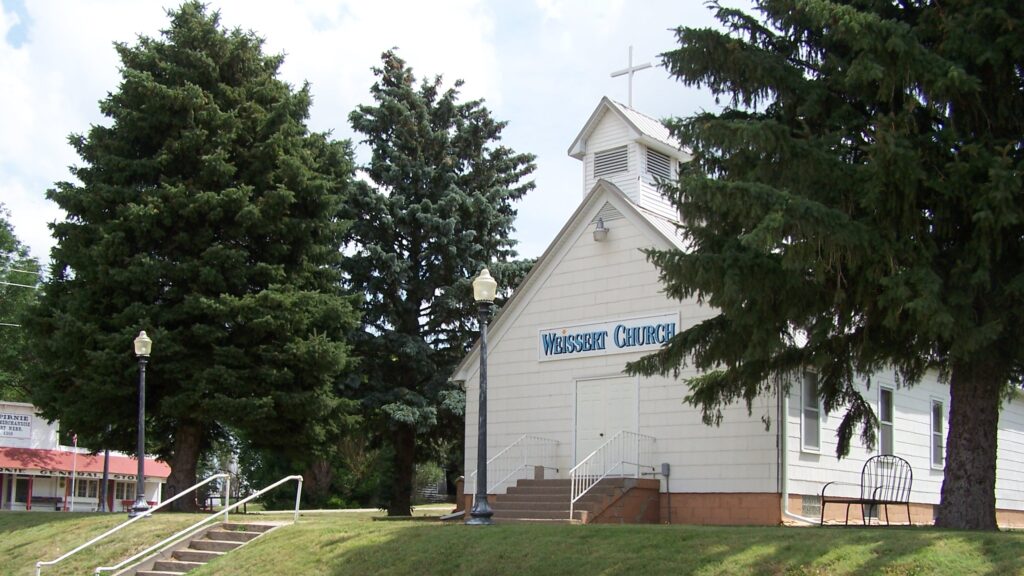
The Weissert Church is preparing to celebrate another in a long history of milestones. On Sunday, February 1, the church will hold a special service celebrating the 140th anniversary of its founding.
Dating from the establishment of the original sod Lone Tree Church of God – later the Weissert Church of God, and then just the Weissert Church – current Pastor Bob Winn noted “the date that we’re using for the founding of the church was February 2nd, 1886. So we’re coming right up on that.”
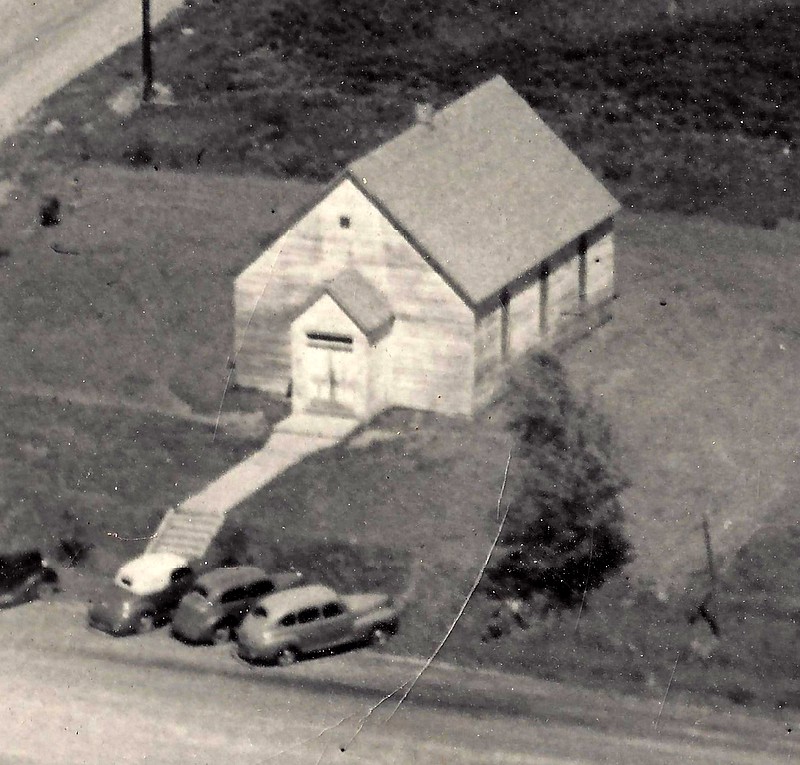
That sod building was dismantled in 1898, and a new wood frame structure was constructed, serving the congregation until it was struck by lightning and burned in 1901. A new church building was then put up in 1903, and expanded to include a basement, small classrooms, and bell tower in 1953 – the church as it currently stands.
The regular congregation at this rural community church averages around 20-25 parishioners per week – unless the weather is bad, in which case it is more like 15, joked Winn.
For the church’s 140th Anniversary service, Winn said the schedule for the day will be slightly different than normal.
“This week we’re going to have a slightly extended service beginning at 10 AM,” said Winn. “There’ll be some history, and then after that we’re going to have a potluck meal at noon, and so obviously anybody comes, bring a dish.”
Following lunch will be a slideshow with photos of the church and congregation over the many years, along with cake for dessert.
Any friends of the church are welcome to attend.
“We’re trying to get the word out so that friends of the church people who maybe used to attend and live in town,” said Winn. “There were people who might be driving up from Kearney that used to go here or used to live in Weissert, or anybody that has a connection with us. We sure want them to know that we’re having this if they want to come.”
With the church continuing to serve as a center of community for the area, hosting everything from the occasional funeral to the annual Weissert community Christmas party, the future of this bucolic congregation seems likely to be as strong as its past.