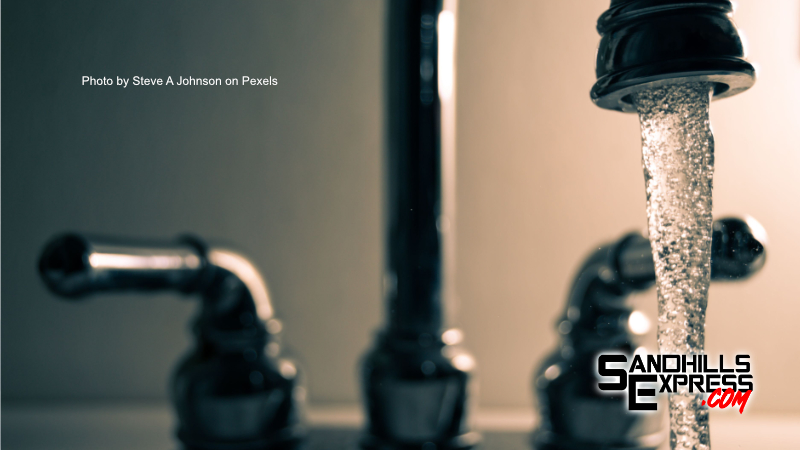
Nebraska residents who rely on private wells for their drinking water are being encouraged by Nebraska Extension to make annual water testing a priority, saying regular testing and treatment of any identified problems are the best way to ensure water is safe for household use.
Unlike public water systems, which are regulated under the federal Safe Drinking Water Act and routinely tested for dozens of contaminants, private wells are not subject to the same requirements. That means private well owners are responsible for monitoring the quality of their own drinking water.
Clear water that tastes good shouldn’t just be considered safe automatically, says the Extension. Since water dissolves substances it comes in contact with, harmful contaminants can be there even when water doesn’t have a noticeable taste, odor, or color. Testing is the only way to see if contaminants are present.
Private well owners are encouraged to test their water annually for nitrate and coliform bacteria, including E. coli. Additional testing is also recommended for naturally occurring contaminants found in many parts of Nebraska, including arsenic, uranium, manganese and selenium. Homeowners may also want to test for lead, which can enter drinking water through household plumbing.
Extension educators also recommend testing whenever infants, pregnant women, older adults or people with weakened immune systems will begin drinking the water. Optional testing for hardness, iron, sulfur and copper can help identify cosmetic issues such as staining, unpleasant odors or taste concerns.
Private wells should also be inspected and tested following flooding, heavy rainfall, wildfires, well repairs or plumbing changes. It’s recommended to inspect the above-ground portions of the well for damage, keep vegetation mowed to reduce root growth and wildfire risk, ensure soil slopes away from the wellhead so surface water drains away, and to check for signs of wildlife digging around the well.
If testing identifies contaminants that could affect health, installing treatment equipment designed to address the specific contaminants and concentrations found in the water is recommended.
Reverse osmosis (RO) systems used with a carbon filter were an option given by Nebraska Extension, stating that contaminants like nitrate, arsenic, and uranium can be removed, even by a basic system that fits under a kitchen sink.
The State of Nebraska offers a tax credit for reverse osmosis systems, and some Natural Resources Districts also provide cost share assistance for qualifying installations.
When testing private well water, Nebraska Extension recommends using laboratories certified by the Nebraska Public Health and Environmental Laboratory, particularly when results will be used to make health decisions or determine significant investments in water treatment. Home test kits can provide an initial screening, but they should not replace certified laboratory testing.
More information about private well drinking water testing and treatment can be found through local Nebraska Extension offices or at this link.