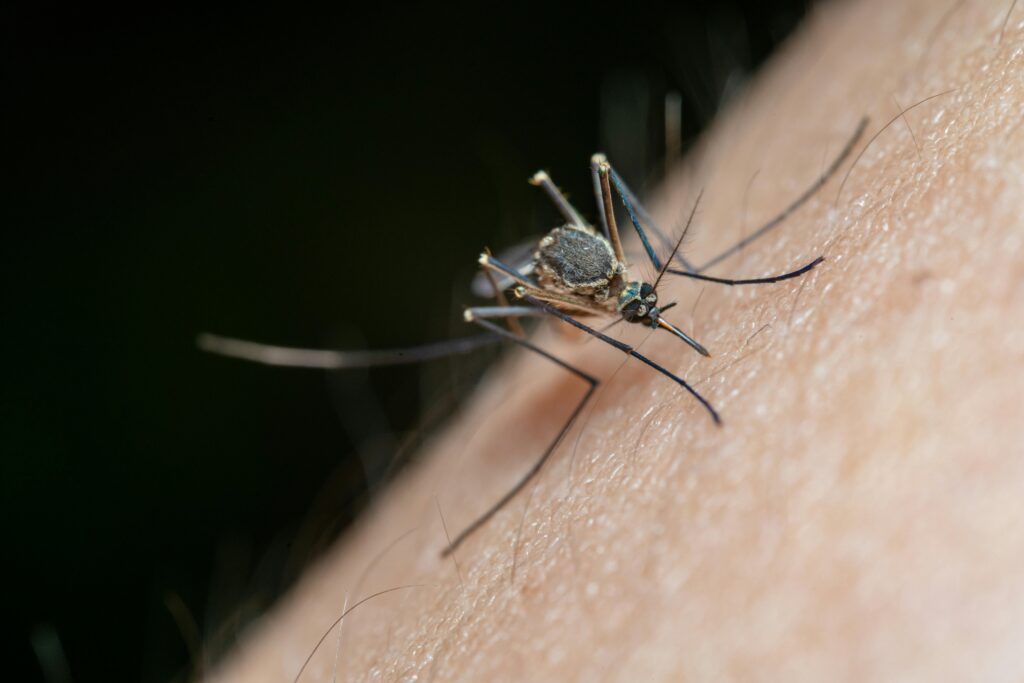
LINCOLN – With the first reported human West Nile virus detection for the 2024 season being found, the Nebraska Department of Health and Human Services (DHHS) issued a recent press release with important reminders. The detection was in the Douglas County Health District, found through routine screening of blood donations.
West Nile virus is the leading cause of mosquito-borne disease in the United States. Transmission of West Nile virus occurs through the bite of a mosquito that has acquired the virus by feeding on an infected bird. In turn, the mosquito passes the virus to humans. You cannot get West Nile virus from a dead bird.
“Since there is no vaccine or specific medicine to treat West Nile virus, the best thing the public can do to protect themselves from West Nile virus is to avoid mosquitoes and take preventive measures to keep themselves and their loved ones safe,” said Dr. Timothy Tesmer, Chief Medical Officer for Nebraska DHHS.
The DHHS gave the following tips on reducing your risk:
– Use a repellant that contains DEET, picaridin, lemon eucalyptus oil, or IR3535.
– Wear long-sleeved shirts, long pants, shoes, and socks when outside.
– Take extra precautions when going outdoors at dawn and dusk when mosquitoes are most active.
– Drain standing water around your home. Standing water and warmth breed mosquitoes.
– Irrigate lawns and gardens carefully to prevent water from standing for several days.
– Empty and change the water in bird baths, fountains, wading pools, rain barrels, and potted trays at least once a week, if not more often.
– Make sure window and door screens are “bug tight” and repair or replace torn screens.
Most people who are infected have no symptoms or only mild flu-like symptoms. Less than 1% of people infected with West Nile virus become severely ill. However, people over 50 and those with weakened immune systems are especially vulnerable to the disease and are more likely to experience serious consequences.
More information about West Nile can be found on the DHHS website at https://dhhs.ne.gov/pages/west-nile-virus.aspx or by contacting your local health department.