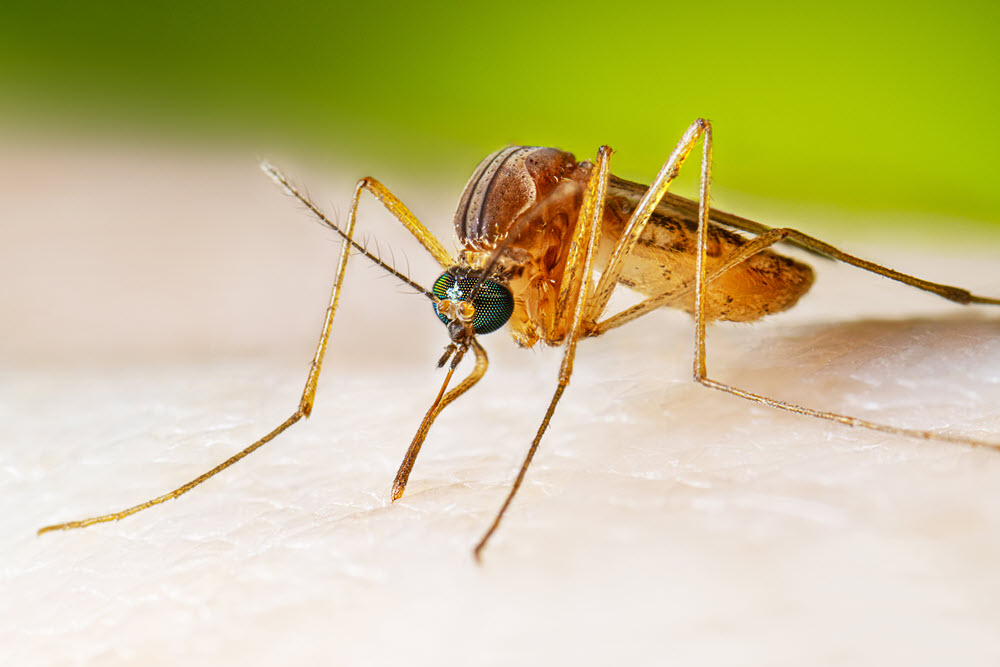
We hear them buzzing and zipping around our ears all throughout the warm weather season, and before we know it there comes that sharp pain on our arm, leg, neck, or forehead.
You’ve probably been a part of a conversation recently about how it seems like there are more mosquitoes around this year. With that comes an increase in positive mosquitoes for West Nile Virus.
Jolene Gydesen with Loup Basin Public Health Department (LBPHD) says a lot has to do with moisture.
“Yes, sadly we are seeing a spike in West Nile cases but I believe that’s just because we’ve been so lucky to receive so much moisture this year. Which we can’t complain about!”
According to a segment in the recent LBPHD newsletter, between two weeks of trapping mosquitoes (week 9 and week 11), there were 30 new mosquito positive pools, or testing sites. There are currently 142 positive testing locations this year already. For comparison, in 2022 at this time there were only 5 positive testing sites.
Gydesen said the best way to avoid a mosquito bite is to wear EPA approved insect repellent, wear long sleeved shirts and pants, to treat the clothing you’re wearing with the repellent, and to get rid of mosquito breeding sites by emptying standing water around your household.
She continued by saying it’s important to look for EPA approved repellents, that have known rates of effectiveness.
“I know there’s a bunch of natural insect repellents that have come out lately that are not registered with the EPA, just due to not knowing the effectiveness of those repellents.”
She added that the EPA has a handy tool on their website where you can search what kind of insect repellent is right for you.
Should you get a mosquito bite from a mosquito with WNV, just like any virus some will see symptoms such as fever, swollen lymph glands, nausea or vomiting, muscle aches, or joint paint while others have little to no symptoms.
Gydesen said most cases do not require testing or medical attention, but that everyone knows themselves best.
“Everybody knows their body the best. Most individuals don’t need to seek medical attention for this infection, though they may choose to do so which is perfectly okay.”
There are exceptions to that, though.
“If you develop severe symptoms of West Nile such as severe headaches or confusion, you are recommended to seek medical attention immediately. Those who are pregnant or nursing mothers, they are also encouraged to talk to their doctors if they develop any symptoms that could possibly be from West Nile Virus” said Gydesen.
More information about West Nile Virus can be found on the Loup Basin Public Health Department website at LBPHD.ne.gov.
Get out that deet, and keep the mosquitos away until the snow flies!