LAWRENCE, KS – The United States Geological Survey (USGS) has announced a groundbreaking citizen science initiative that’ll give amateur entomologists butterflies.
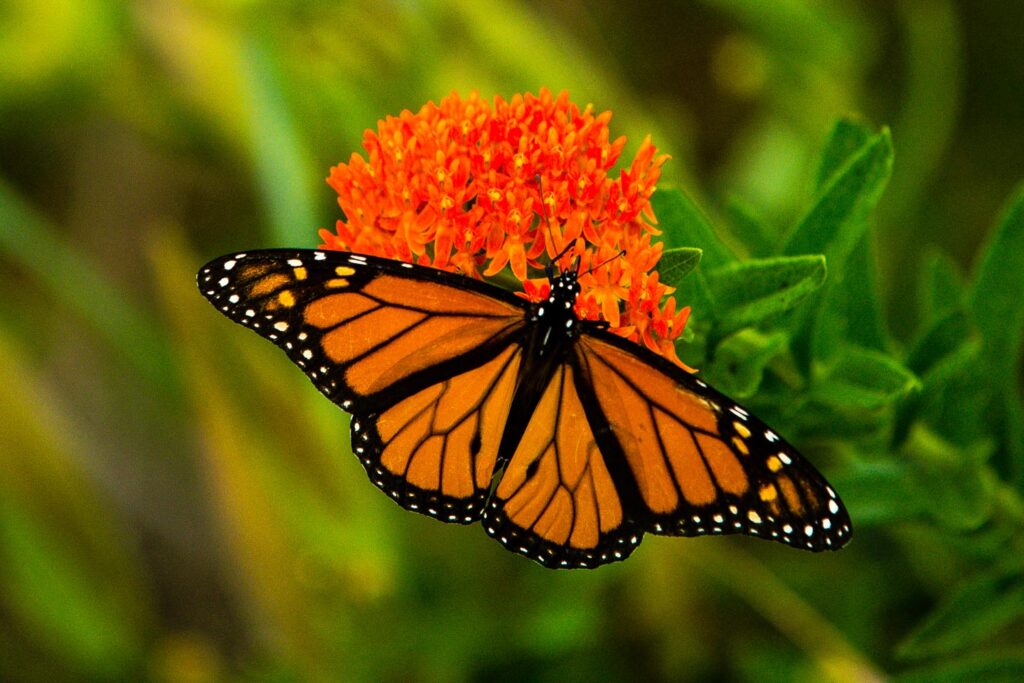
The Lepidoptera Research Collection (LRC) program is asking for area bug collectors to keep an eye out for dead butterflies, moths, and skippers throughout the summer and fall.
USGS Physical Scientist and program pioneer Julie Dietze says that the idea driving the Survey’s Lepidoptera Research Collection is to broaden and deepen the understanding of the area’s enchanting pollinators and their halogen-crazed nocturnal counterparts.
“The hope is to establish a scientific collection comprised of specimens from diverse locations to better understand environmental and chemical factors that might be contributing to the decline of the insect population.”
The Survey’s Kansas-based insectophile says that while research on butterflies themselves is extensive, studies on their declining numbers are scarce, particularly in the country’s Corn Belt. This leads the scientist down the joyful path of discovery, hypotheses in tow.
“I think that butterflies and moths are facing all kinds of challenges; those could be loss of habitat, loss of nectar resources, environmental or climate factors. This is a way for our laboratory to look at pesticides, antibiotics, artificial sweeteners, and get a baseline for expected levels of hormones to see if there’s anything affecting their hormone functionality.”
Dietze goes on to say that while the bulk of the initial research will be cocooned in the Survey’s Environmental Organic Chemistry labs, the return on area scientists’ investment in the project could be astronomical.
“What’s cool about this project is that everything that gets submitted becomes part of an official USGS scientific collection, which is available to any scientist within the bureau.”
Access to the collection should make contributions to the project all the more appealing to area entomologists upon the discovery that Nebraska won’t be the only state participating: Kansas, Alabama, Georgia, Oklahoma, and Texas have all been invited to submit species samples to help the Survey in its pilot program.
Dietze says that, as yet, nothing has been received from Nebraska, which means that the state’s first contribution to the Survey’s pioneering program could come from Custer County.
Citizen scientists will have until November to send the USGS insect samples; after the deadline, the Survey will consider the next steps in its research.
To pack samples, citizen scientists should first place the insects in a resealable plastic bag to aid in preservation. Samples do not need to be fully intact to be valuable to the LRC.
If a sample will not be mailed in 3 days, the USGS recommends freezing it until the time it will be sent; all samples should be mailed to:
USGS LRC
1217 Biltmore Drive
Lawrence, KS 66049